Last Palm Sunday, Mary Lee and I were supposed to begin a two-week retreat at a monastery in the hills of California. We’ve been going on retreats now for thirty years and I was eagerly looking forward to having more silence, being more aware of the world, doing more reading (I’m on a Buddhist kick right now), drawing closer to God of my not Understanding. Then, two weeks before we were supposed to fly to San Francisco, we received word rockslides had closed the roads, and that the monastery won’t open again until at least May.
So instead of flying across the country on Palm Sunday, we spent the day encased in ice.
The previous evening, thanks to a day of snow changing to freezing rain, we lost power. That Sunday, we cooked oatmeal on top of our gas stove and wrapped in blankets in front of our gas fireplace. While the ice bent the trees and bushes lower and lower, Mary Lee and I read the Palm Sunday service from the Book of Common Prayer, wondering, along with the Psalmist, “My God, my God, why have you forsaken me.”
For the next day and a half, we ate beans and rice, read, played Scrabble and cribbage, drove around the neighborhood to charge our phones, and finally gave in and stood in line at a restaurant in another town for breakfast.
All in all, it wasn’t bad. Still, it’s hard for me to find much nice to say about ice.
I like ice cubes in my water. I use ice packs to help the bursitis in my hips. Some ice sculptures are pretty. I’m glad to have a freezer in my refrigerator to preserve food. But that’s about it. When I used to go skating, I’d divide my time between flailing my arms to keep from falling and lying prone on the ice when I did. The one time I went ice fishing, I was days warming up.
Ice has all kinds of nasty connotations. It can mean frigid, as in sexually inadequate. It can mean unfriendly, reserved, aloof, rigid, inflexible. Fear sends icy chills down our spines. We hear about the icy fingers of death.
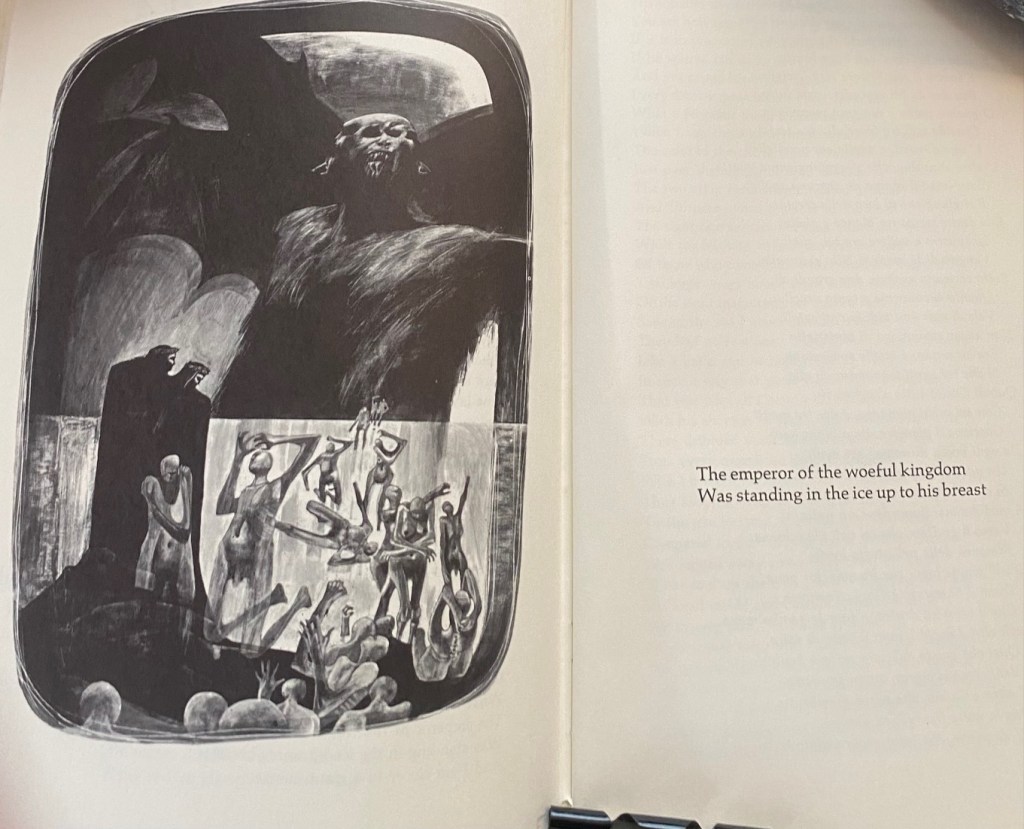
Speaking of death, while Hell (which is where some of my Fundamentalist friends tell me I’m going to go when I die) is usually pictured as a place of fire and brimstone, in Dante’s Inferno, the center of Hell is a vast lake of ice, in which Satan, along with sinners who committed treason and betrayal—such as Brutus, Cassius, and Judas—is incased.
from Dante’s The Divine Comedy, I Hell, translated by Louis Biancolli, 1966
Makes sense to me. Ice is cold. Ice is heavy. (The reason we lost electricity was because ice-laden trees fell on power lines). Ice prohibits movement. During the most hellish part of my life, after my daughter died, I couldn’t get warm. I felt as if I were carrying a 20 cubic foot freezer on my shoulders. My body was rigid and tense. Only after I’d had two or three large tumblers of scotch did I feel as if I were thawing.
And yet. For someone who dislikes ice, I realize that one of my tendencies is to want to freeze experiences and beliefs, preserve them the way we preserve meat and vegetables.
After those hellish first years when Laurie died, my life began to get better. I thought I was learning to live with loss. But five years later, at this time of year, it was as if my daughter has died all over again. I plunged back into rage and tears. I spent evenings drinking my tumblers of scotch (or maybe it was Wild Turkey 101 proof, at this point), going through old photograph albums of the two of us and listening to Laurie’s old tapes of Tracy Chapman and the Grateful Dead. The only difference was that those I was most angry with were people who talked about their own grief. I remember being at a retreat at a monastery in Cambridge, Massachusetts where a woman talked about almost losing her son in an automobile accident. A spasm of rage surged though me. I thought, What are you moaning about? He’s alive, isn’t he?
Then on Easter Sunday after this retreat, I heard a sermon based on the Gospel of Mark’s account of the Resurrection, which, unlike the other gospels, ends with Mary Magdalene, Mary the mother of James, and Salome, fleeing from the empty tomb, “for terror and amazement had seized them; and they said nothing to anyone, for they were afraid.”
Why fear, asked the preacher. Well, there might have been a lot of reasons—fear of soldiers, fear of grave robbers—but he also wondered if it wasn’t human nature to fear the unknown, to become used to, even comfortable with, our lives even if they’re full of pain and suffering. We prefer what we do know to what we don’t.
And I realized that over the years since Laurie’s death, I had grown comfortable with my image of myself as GRIEVING PARENT; I had made Laurie’s death MY STORY, trying to preserve memories of her, as in the old photograph albums I’d been perusing. And if anyone else had a similar story, I felt threatened.
In other words, I was trying to freeze my sense of myself and Laurie rather than let them evolve, flow. I wasn’t angry about the death of my daughter, I was angry at the possible death of my grief, thinking it was grief that was keeping me close to her.
That Sunday afternoon, sitting in Harvard Square amidst cigarette butts and pigeons, looking up at the sycamores and the brick buildings, listening to voices babbling in a half-dozen languages, I tried to focus on my daughter in the present moment. I don’t know where you are, Kid, I remember praying, but at some level I know you’re fine, and I want you to know that I love you.
And the sights and smells and noises of the Square seemed to fade and I felt a hand on my shoulder, and I knew it was Laurie’s.
I don’t care whether that hand was from another dimension or from my imagination. What I do know is that the great spiritual traditions are right: love transcends death. That is, if you don’t try to freeze it like leftover meatloaf.
But I’m still learning. Working a 12-Step Program, I’ve discovered traits that I developed to survive growing up in an alcoholic family—judgmentalism, people-pleasing, perfectionism—traits which no longer serve me, but have, in essence, remained frozen, damaging my relationships with others.
And I’m wondering if I may be trying to freeze my retreat experiences, and that Life, the Universe, or God of my not Understanding isn’t telling me by having this retreat in California canceled that I need to let the retreat experience—the silence, the awareness, the reading, the closeness to God— flow into my everyday life, here at home, even in the middle of an ice storm.
As New Englanders know, each year has six seasons: the usual spring, summer, autumn, winter, plus mud season—between winter and spring—and stick season—between autumn and winter.
You know about our autumns and winters. These are the seasons in all those lovely photographs of New England. You know, the flaming foliage ones, mountains ablaze in orange, yellow, and red, and the snowy ones, white trees bowing as skiers whiz past. But in between—usually it’s the entire month of November but it could be December as well—the leaves have left, the snow hasn’t arrived, and the trees become stick figures. “Bare ruin’d choirs, where late the sweet birds sang,” to quote Mr. Shakespeare.
Stick season has been getting a lot of press these days, thanks to a young singer named Noah Kahan, whose song “Stick Season” about the pain of lost love—“And I love Vermont, but it’s the season of the sticks/ And I saw your mom, she forgot that I existed…”—was a viral hit in 2022. (And as synchronicity would have it, as I was planning this blog, he sang it on Saturday Night Live, December 2nd. Check it out on YouTube.)
For years, Shakespeare and Kahan described the way I felt about this time of year. As readers of this blog and my book, The Geriatric Pilgrim: Tales from the Journey, know, my daughter Laurie entered Eastern Maine Medical Center in November of 1988 and died there on December 23rd. For those two months, I lived at a Ronald McDonald house about a mile away and walked back and forth to the hospital twice a day along the Penobscot River, where the skeletal maples, elms, birches, and oaks mocked any hope for Laurie’s recovery.
Over the next 30 years, each stick season was the backdrop for my anger, sorrow, withdrawal, guilt, and shame, exacerbated by a holiday season, which now starts about November 1, with its Hallmark images of healthy happy families gathered round a perfectly shaped Christmas tree. Throw in the Christian season of Advent—four weeks of paradoxical readings about Christ the child and Christ the judge, sin and grace, justice and mercy, comfort and challenge—and I came to dread this time of year.
But about five years ago, thanks to my Al Anon program, I was able to separate my shame, guilt, and anger from my grief. I saw that because of growing up in a family riddled with alcoholism, those noxious emotions were there long before Laurie died. And I realized that I didn’t have to hang on to them to grieve the sorrow and emptiness that one must accept when they lose a loved one. That I could feel sad without feeling angry.
At the same time—and I’m sure it was no coincidence—as I walked the woods behind our house, I began to appreciate the stark beauty of stick season. Without all the foliage, the sky is larger, and sometimes it’s a November blue unlike at any other time of the year. The wind is bracing. The flies are gone. Unlike in mud season, the paths are still dry. Even the sticks themselves—the tree branches—have a stark beauty, like Japanese calligraphy.
I started to see the departed leaves as images of my departing shame, guilt, and anger.
Which helped me see Advent as a time for letting the spirit blow away what the Bible often calls our “iniquities,” but what I think of as my “survival mechanisms”: those behaviors I developed as a kid to survive family disfunction, but which have become injurious not only to my health but to those around me.
These days I think of stick season as a time to simplify my life. Which has been especially easy this year. After 37 years of hosting a Thanksgiving for anywhere from ten to 24 people, Mary Lee and I turned over the apron to her younger son, who, along with his fiancé, did a fantastic job feeding and making us all feel comfortable.
Last week, Mary Lee retired after 22 years as the ordained Deacon at our Episcopal Church. For 22 years, churchy stuff has filled not only our Sundays, but other days of the week, as I have also been an active member of St. Paul’s. Now, as is our diocesan policy, we will worship elsewhere for a while. We will listen for other callings to where—as Aristotle said—the needs of the world and our talents cross.
Sadly, but I guess appropriately, our cat Zeke has used up his 9th life (I didn’t think he’d make it to 2023), leaving our house pet-less for the first time in our marriage.
I have given up driving 30 miles once a week to play in my old-time music jams. Mary Lee and I have decided we no longer enjoy going out for dinner once a week.
So, I suppose, I am in the stick season of my life. If so, it’s not bad.
Let’s talk about Advent again. One thing I’ve always had trouble with is this idea that not only are we awaiting the celebration of the birth of Jesus, but we are supposed to be awaiting the Second Coming of Christ, when, according to some scripture passages, Christ will come to judge us and send some of us to hell and some of us to heaven.
Sorry, I can’t buy the judgment thing. My experience is that I’m surrounded by Grace, if I can just (“just’? Ha!) open my eyes to it. So that when Jesus tells his disciples to “Keep awake!”—which he does a lot—I think he’s talking about opening our eyes to what’s already there, not what’s going to suddenly appear descending from a cloud.
Sort of like seeing the sky that’s always there, but only fully visible during stick season.
(Or the water, for that matter)
So, for me, the Second Coming is an invitation to awaken into a new consciousness, a new appreciation, a new seeing, of life, the universe, and everything.
I watched a YouTube interview with Noah Kahan, in which he said that his hit song represented a new musical path for him. And as blogger Mitch Teemley wrote recently about Advent, the word serves as the root of our word “adventure,” which, of course, I like because that makes me think of “pilgrimage.” “In short,” as Mitch wrote about Advent and I would write about pilgrimage, it is “an experience that can change a person forever. If they let it.”
“Great things are not done by impulse, but by a series of small things brought together.”
—Vincent Van Gogh
#
This blog is a milestone for me. Eight years ago this month, I published my first Geriatric Pilgrim blogs (https://geriatricpilgrim.com/2015/11/). And while I’m not big on party hats and horns, I want to celebrate.
The Romans erected the first stone markers to let travelers know not only the number of miles they had to go to reach their destinations, but also the distances they’d covered. Today, businesses talk about a milestone as something that demonstrates a significant, marked change or step in the development of a project. Parents keep track of milestones in their child’s development. (“Look, little Leslie’s walking! Where’s the camera?”)
When I think of the importance of milestones in my life, I think of the second day of our seven-day walking pilgrimage along St. Cuthbert’s Way through Scotland and England. Still apprehensive about being able to complete the 72-mile trek, I looked back across a newly mown field to the Eildon Hills fading into the dimly distant horizon. The day before, my wife Mary Lee and I had crossed those three hills. I felt a burst of energy. Look at how far we’ve come, I thought. We can do this!
And as I look back at those first blogs from 2015, I’m also surprised and energized by how far I’ve come in the last eight years.
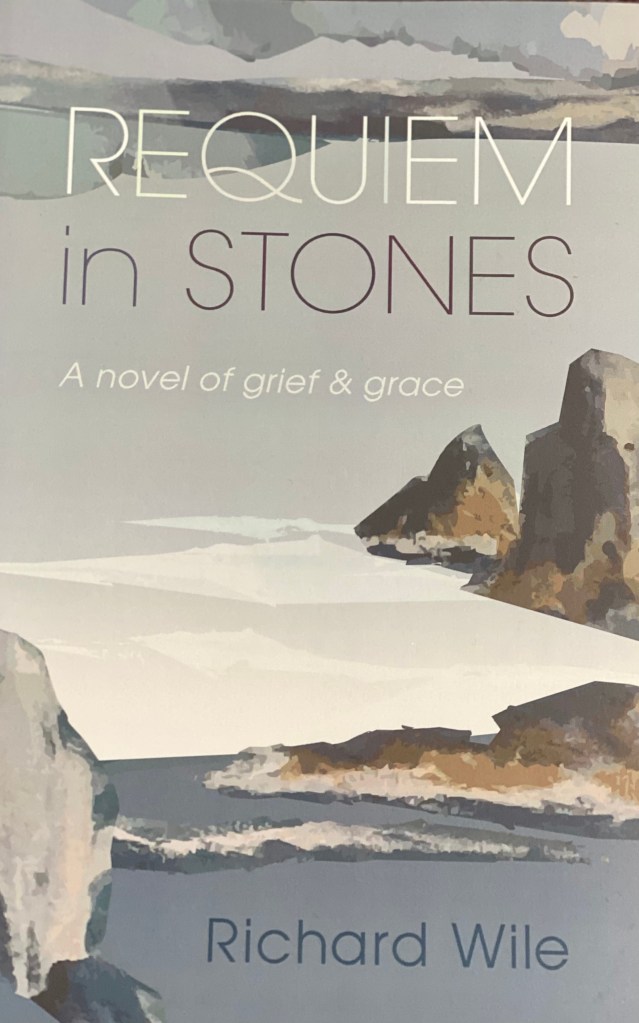
In 2015, I’d just published a novel, Requiem in Stones: A Novel of Grief and Grace, based on my experiences after my daughter Laurie died of cancer.
This novel about the effects of a child’s death upon a family, had taken me 20 years to write and I was emotionally drained. For the sake of my sanity (not to mention the wellbeing of those around me), I wanted to write something for fun.
Two years earlier, Mary Lee and I had walked St. Cuthbert’s Way, and I’d become curious as to how pilgrimages differed from vacations, business trips, escapes, or educational trips. I was especially interested in the inner journey one makes on a pilgrimage. I read books about some of the pilgrimages people had taken, drawn especially to those who approached the spiritual journey with humor and curiosity. I decided to try to use the same approach in a blog about my travels.
But now when I reread those first blogs, I can’t find much humor. Like the novel, they still seem to me focused on the effects of my grief—physical problems, nasty thoughts and visions. What humor I find now sounds to me sarcastic.
Still, because I’m also writing about specific places—Jerusalem, retreat houses—I can also see the beginnings of my detaching, of stepping back, of broadening my horizons.
And that’s what writing these blogs over the next eight years has done for me. By focusing first on my various exterior journeys, and then going inward, I’ve given my grief more room to live in, so that it doesn’t dominate either my life or my writing.My grief over Laurie’s death is no smaller, but the landscape in which it resides has expanded to include not only a dozen countries, but also my family history and my geriatric journey as well.
Probably nothing has helped me better understand this interior landscape over the last eight years than joining two 12-step programs. Al Anon, the program for families and friends of alcoholics, and ACA, the program for adult children of alcoholics, have become like lenses on a pair of binoculars, helping me view the effects of my grief—especially fear, anger, and shame—as mountains that make the Eildon Hills look as level as pool tables.
I remember telling my Al Anon sponsor in one of our first meetings, “I will always feel at some level that I killed my daughter.” Even 25 years after Laurie died, I blamed my daughter’s death on my divorcing her mother two years earlier or by not divorcing her mother soon enough. I said that every year, right around Thanksgiving, I could feel my body chemistry change. For the next month or so, right up until the anniversary of Laurie’s death on December 23, I said, I never knew how I would react. Some years I was angry at everyone, some years I cried at anything remotely sad, some years I spent the months hiding from the world by reading mysteries. I said that I’d just accepted this response as the way it would always be.
And I remember my sponsor’s reply: “Okay. Maybe… Let’s see what happens.”
Through working the Al Anon program, especially Step Four, taking “a fearless moral inventory” of myself, I discovered that because I’d grown up in a family riddled with alcoholism, I’d been clambering up and down those mountains of fear, shame, and anger long before Laurie’s death. Fear and my need for what I thought was security had driven me into an unhappy first marriage. Shame and my need for respect had driven me into erecting any number of false personas. My need to deaden my anger had driven me into my own alcoholic behaviors. Using ACA, I learned about the long-term effects of growing up in an alcoholic family, while Al Anon gave me the tools to separate my grief for my daughter’s death from my fear, anger, and shame over losing her.
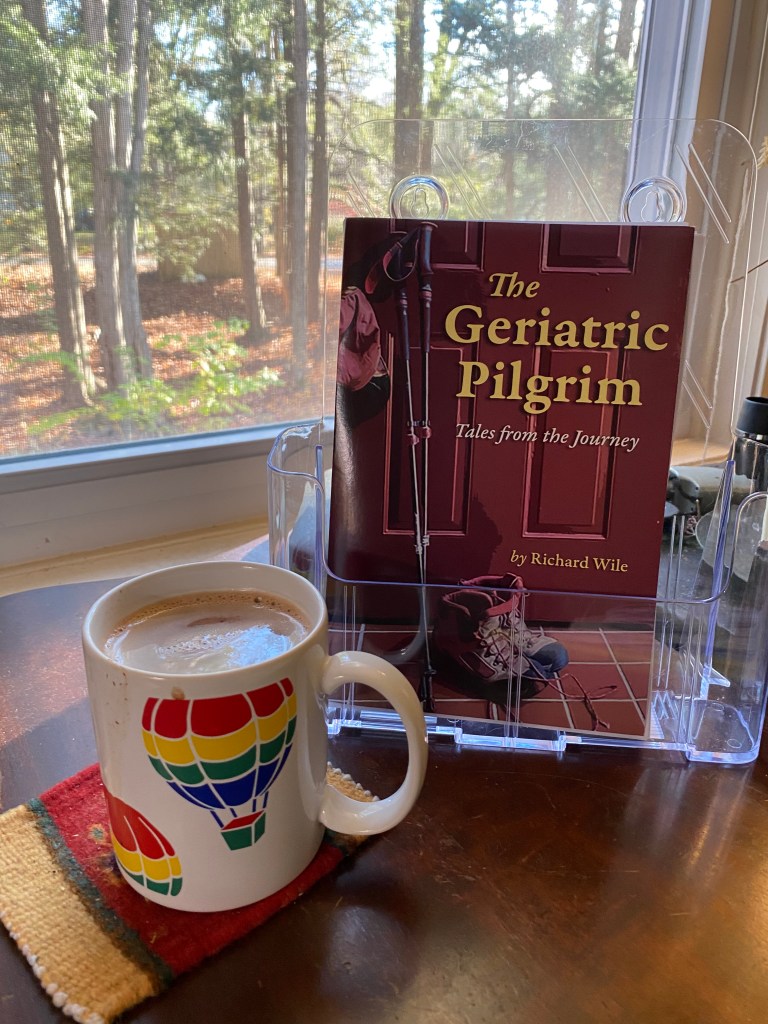
So that four years ago, I realized that I was enjoying the Christmas season—no tears, no angry outbursts at the baggers at the grocery store, no reading marathons. And as I was collecting fifty of my blogs to put together in my second book, The Geriatric Pilgrim: Tales from the Journey, I had to revise several blogs which had talked about how hard the Christmas season still was for me.
There’s also nothing like successful heart surgery for expanding one’s inner landscape. Only through a timely wellness checkup and the perspicacity of my PCP—“No, being out of breath is not normal. I want you to take a stress test this week!”—did I avoid another family disease: falling dead of a heart attack. Only because of what I’ve called in these blogs “grace” am I’m still here. Only through grace am I grateful for the life I’ve lived, even for those demanding hikes over mountainous landscapes.
All of which is worth celebrating. If not with paper hats and party horns, at least with a cup of hot chocolate.
In my various pilgrimages, I’ve traveled through deserts where the temperature was 114° and snowshoed through forests at -10°. I’ve walked slippery rocks in a driving rain and picked up cactus stickers that took months to work themselves out of my skin. I’ve sprained ankles and wrists, brought home dysentery and COVID. But, as I’ve often written in these blogs, a pilgrimage is internal as well as external, and some of the most difficult landscapes I’ve traveled are the landscapes of anger.
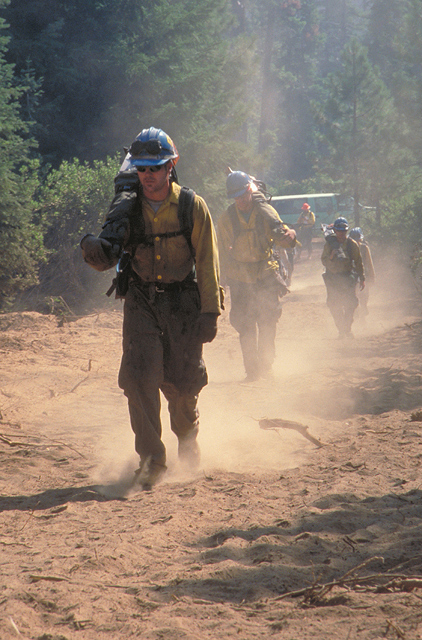
There’s more than one. Sometimes, anger can resemble burning terrain caused by the forest fires I used to fight when I was twenty: not only hot, but smokey, so that I can’t see where I’m going.
Most forest fires run along, or even under the ground, or to be more precise, under the “duff”— organic debris on top of mineral soil—of the forest floor, until, given the right conditions, a tree or trees will “candle,” suddenly bursting into flame.
That was my childhood. My parents, both of whom grew up in angry, even violent, environments—my mother once told me she was in her 30s before she learned people could drink and not yell at each other—usually kept their anger hidden under a duff of sarcasm. But when their anger did candle out, it frightened me, so that I spent much of my time trying to make sure they never got angry at me, which has led to a life of people-pleasing and other codependent behaviors.
Meanwhile, my own anger scared me even more than my family’s. Most of time, I could use sarcasm to mask my anger, but sometimes it would explode, often on the basketball court. (I may still hold the record for most fouls committed in the shortest period of time—four fouls in 18 seconds of game time.) And yet in other games, I was passive, easily intimidated by an aggressive opponent, because of my inability to control how I’d react.
A forest fire can smolder in the duff for years before bursting into flame. A year or so ago, I found myself engulfed in a blind rage of unfocused anger, which, I came to realize, was based on the same confusion, angst, and helplessness I often felt at sixteen.
Other times, I’ve crossed other landscapes. For almost exactly three years after my daughter died, my anger was a wasteland of burning rocks and rattlesnakes and prickly-pear cactus. I raged at the pastor of my church, my family, my teaching colleagues, my students, motorists on the road and pedestrians on the sidewalks. Evenings I would shut myself in my den, drink scotch, and write angry letters to the editor of the local newspaper (which, thank God, I never sent) about how my community, the country, and the world were falling apart.
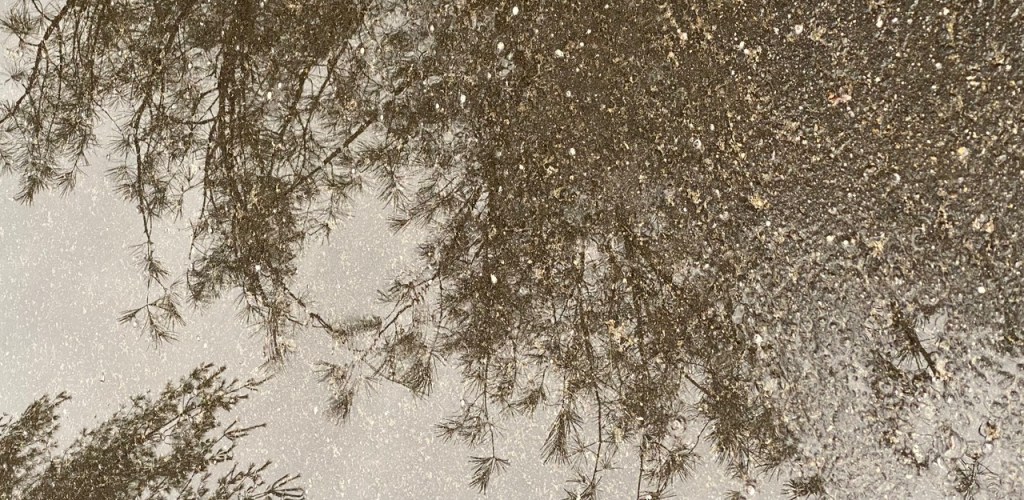
Then, there’s the landscape of shame, often defined as anger turned inward. For me, shame is like walking through mud in a raging thunderstorm, hunched over, cold, frightened, head down, not looking anyone in the eye because I’m sure I’m being laughed at.
And it’s all my fault. So the angrier I get, the worse I feel. I’ve trudged this landscape as a child, convinced I was fat and ugly, as a college student often sleeping twelve hours a day, embarrassed by my lack of shoulders, buck teeth, and poor grades, as a young adult who used a bad back to get out of Viet Nam, as a grieving parent, sure I had somehow caused my daughter’s death, or as a vapid thinker, failed writer, and lousy parent and grandparent.
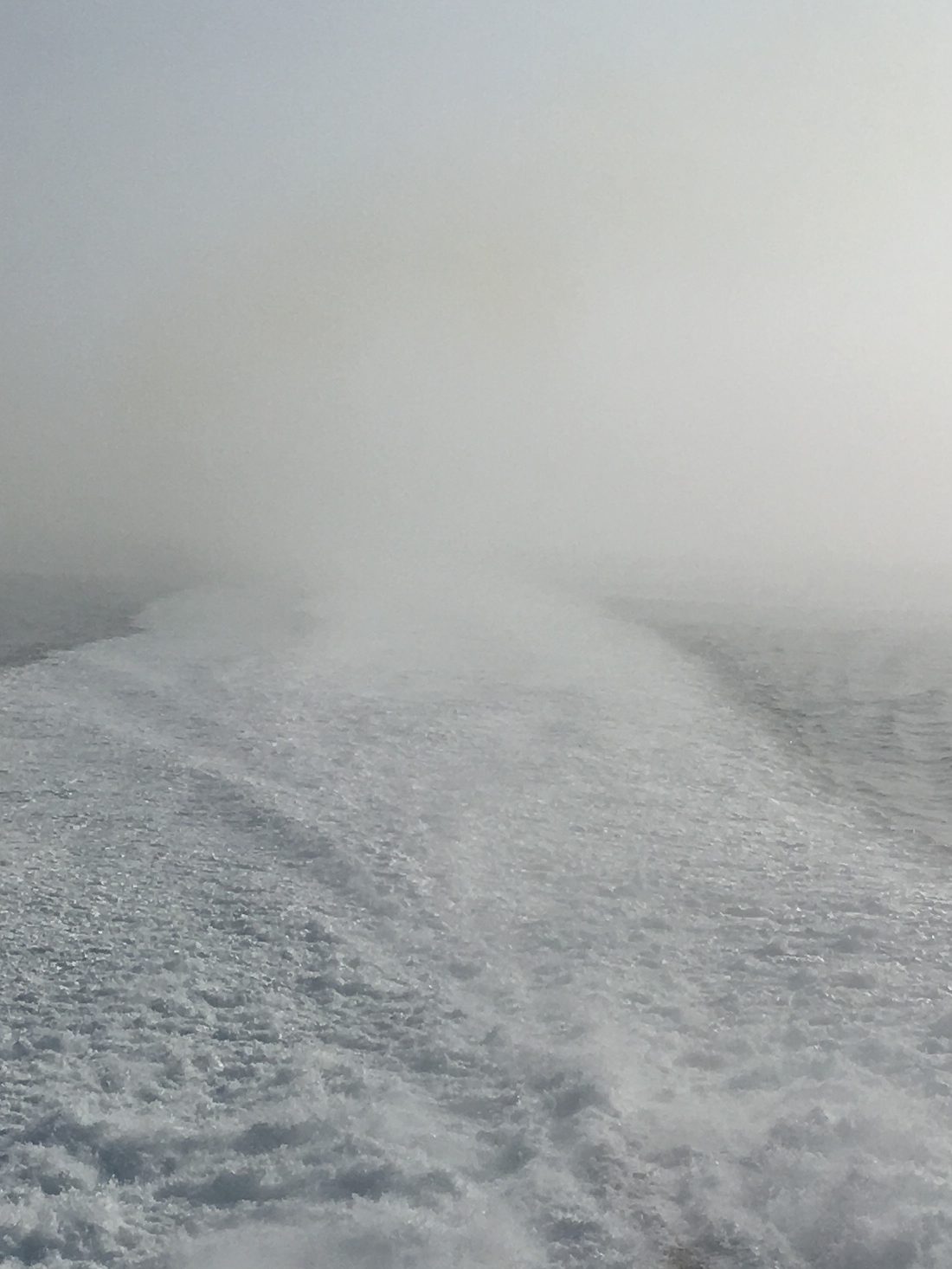
Still another landscape is the angry ocean of change. I feel as if I’m adrift in a rowboat amid mountainous waves, clinging to a tiny life preserver of nostalgia, which as someone once wrote is a form of anger, or at least resentment.
I long for a time I’ve lost. When life was simpler, the music better, the men stronger, the women better looking, and the food healthier.
Before I go any further, let me say what you may be thinking: anger is natural, and anger can be effective. Charles Duhigg, in a recent Atlantic article on anger, writes that anger can convey more information more quickly than any other emotion. Expressing anger in an argument can make people more willing to listen, more inclined to speak honestly, more accommodating of each other’s complaints. Anger motivates us to undertake difficult tasks. We’re often more creative when we’re angry.
The problem, Duhigg and others note, is that to be effective, anger needs to be focused. That’s certainly been my experience. On the rare occasions on the basketball court when I could focus my anger, I had great games. (I think there might have been two or three.) Focusing my anger after Laurie died on God instead of other people led me to meditation practices and ultimately to sorrow instead of anger. Using anger as part of my physical therapy has helped me recovery from three major surgeries.
But. I find that most of the time I can’t focus because I can’t separate justified from unjustified anger. So, I’ve come to feel that just as there are people who can drink responsibly but I can’t, there are people who can channel anger in a way I’ll never be able to.
Which is why I try to replace anger with other reactions whenever and as soon as I can.
One other reaction is acceptance. Given my alcoholic upbringing, anger is always going be smoldering in my emotional duff. I need to accept that those fires were set generations before me. Which leads me to the importance of cultivating compassion, both for the angry 16-year-old and the raging geriatric of a year or so ago.
Still another response is surrender. Yes, anger at God helped me deal with my daughter’s death, but it wasn’t until I surrendered to God of my not Understanding that my tears of hot anger were replaced (and I can tell you exactly when this happened: three years almost to the day of Laurie’s death when I watched a high school Christmas concert) by soothing tears of sorrow.
I accept that anger is often going to be my first reaction to change, whether it’s grief over a major loss or simply the daily diminishments of being 80. But it doesn’t have to be my final response. Responses such as acceptance, compassion, surrender, curiosity, and patience are not going to change the landscapes of my anger, but they can water the deserts, dry up the mud holes, blow away the thunderstorms, and smooth the angry waves of change.







 The Geriatric Pilgrim: Traveling the Landscape of Faith and Grief